Pre-Conference All Day Workshops
Energy Psychology in Action:
TTT and First Aid for Stress and Trauma
6 CE Hours, Level: All
This experiential workshop offers hands-on training in the Trauma Tapping Technique (TTT), a versatile, evidence-informed method for reducing stress and trauma in clinical and community settings. Participants will practice TTT, explore complementary tools within an integrative self-care framework, and strengthen resilience for themselves and others — leaving them equipped with practical interventions and the option to complete the TTT certification process.
▶️ Watch Kristin's explainer video about this workshop and why you don't want to miss it.
Objectives:
- Accurately demonstrate the Trauma Tapping Technique (TTT) protocol with a practice partner.
- List two differences and two similarities between EFT and TTT.
- Demonstrate a group exercise to enhance connection and participation.
- Name the three steps and four elements of an integrative self-care structure.
- Identify and describe at least three evidence-informed self-care and self-regulation strategies that can be integrated into professional practice to prevent burnout and enhance resilience.
6. Identify three key considerations for applying TTT effectively in group or community settings.
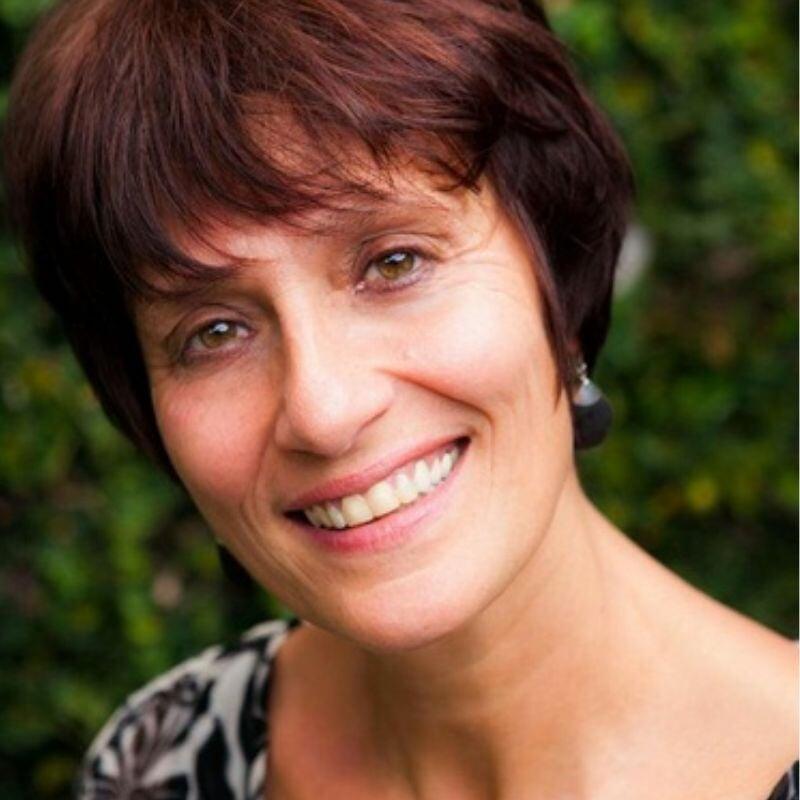
Kristin Holthuis, MD, DCEP, integrates various Energy Psychology modalities in her holistic practice. She teaches EFT, TFT, TAT, TTT, CEP, and Logosynthesis to organizations and professionals. She also uses flower essences, bio-decoding, and breathwork, and has introduced EP and self-care programs in international institutes, hospitals, and organizations.
Be Set Free Fast 3.0:
Integrative Energy Psychology of the Future!
6 CE Hours, Level: All
This workshop delves into the latest evolution of Dr. Larry Nims’s Be Set Free Fast™, unleashing the mind-body-energy matrix’s gentle yet powerful faculties of transformation through consciousness. It integrates the latest findings in cognitive neuroscience, polyvagal theory, and evidence-based clinical mental health practice.
▶️ Watch Alfred's explainer video about this workshop and why you don't want to miss it.
Objectives:
- Define BSFF 3.0 — the integration of Dr. Larry Nims’s BSFF 1.0 and 2.0 with cognitive neuroscience, psychobiology, ancient wisdom practices, and evidence-based mental health methods.
- Define the key elements behind the BSFF effect: post-hypnotic suggestion, neurofeedback, CBT, mental exposure, and memory reconsolidation.
- List the psychotherapy modalities integrated in BSFF 3.0’s framework: hypnotherapy, CBT, focusing, motivational interviewing, interpersonal psychotherapy, self-regulation, exposure therapy, acceptance and commitment therapy, and forgiveness therapy.
- Summarize the APA definition of evidence-based psychological practice.
- Define BSFF 3.0 within the bounds of APA evidence-based practice.
- List and define the key terms used in BSFF.
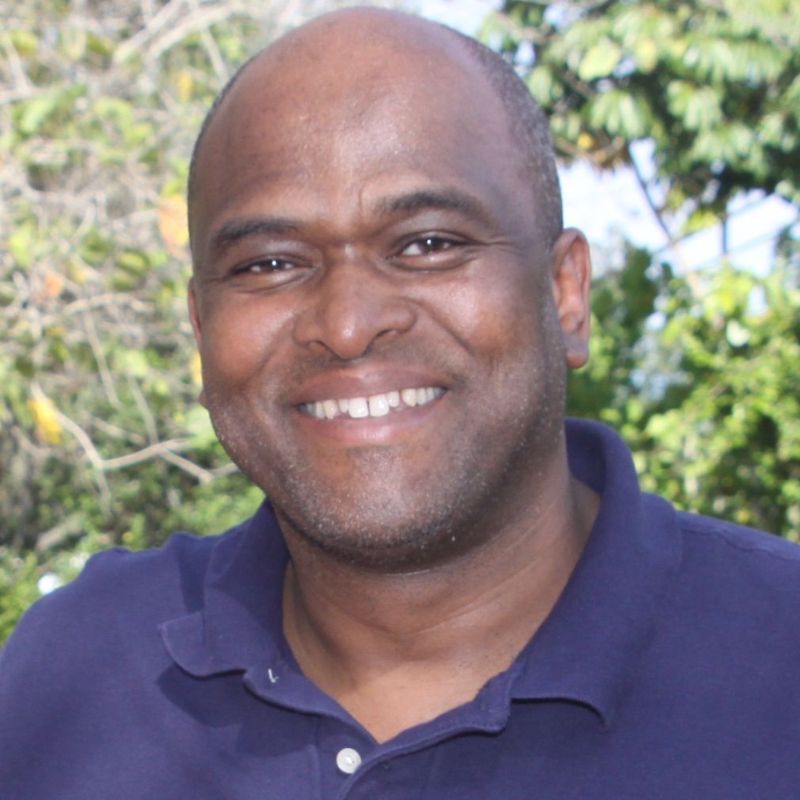
Alfred Heath, MA, LPC, is a licensed professional counselor, psychospiritual coach, energy healer, trainer, and innovator with 33 years of experience in the healing arts. He was awarded the title “Master Trainer of Be Set Free Fast™” by the method’s originator, Dr. Larry Nims.
The Spectrum of Highly Effective Interventions
6 CE Hours, Level: All
This workshop introduces a versatile approach to intervention, emphasizing the importance of rapport, values, goals, and tailoring processes to individual client needs. Just as psychoneurobiological conditions are maintained by systemic circuitry initiated through sensory and energetic input, effective interventions must operate through a similar input-based mechanism. Rapport, body-based, imagery, auditory, mindfulness, and other interventions are demonstrated and practiced.
▶️ Watch Fred's explainer video about this workshop and why you don't want to miss it.
Objectives:
- List the six aspects of the RILITA Model.
- List the five aspects of SMART goals.
- Distinguish SUD (Subjective Units of Distress), SUF (Subjective Units of Fusion), and SUA (Subjective Units of Acceptance) measures to assess intervention progress.
- List two visualization techniques covered in this workshop.
- List two auditory techniques covered in this workshop.
- List the five phases of the Gallo Process.
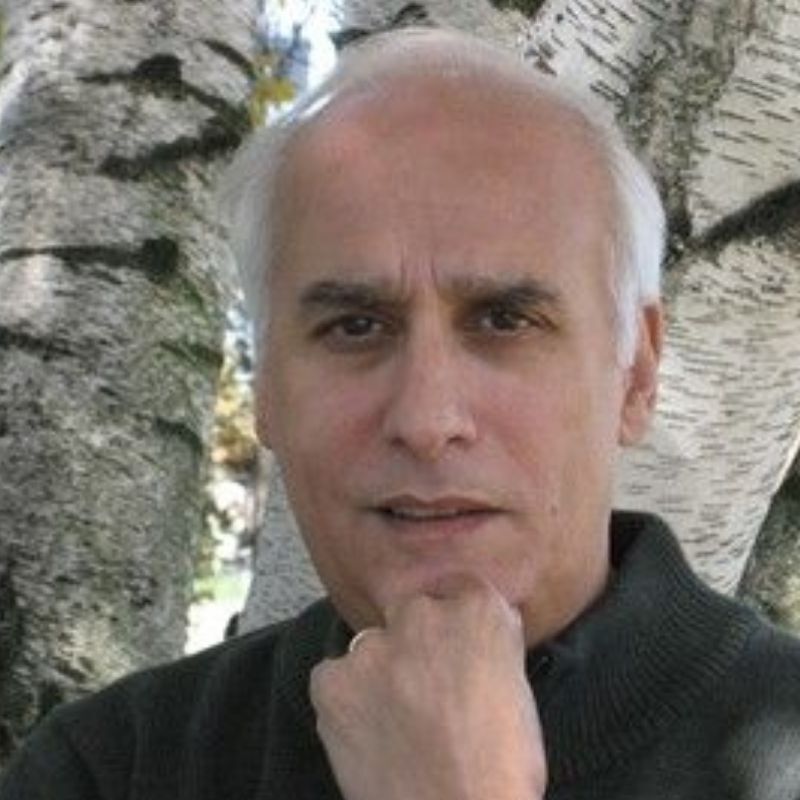
Fred Gallo, PhD, DCEP, coined the term Energy Psychology and is a pioneer and author of numerous articles, manuals, and nine books, including Energy Psychology, Energy Tapping for Trauma, and The Tapping Toolbox. He presents worldwide and has certified thousands in Advanced Energy Psychology.
EFT for Addiction:
Breaking the Cycle and Empowering Recovery
6 CE Hours, Level: All
Learn how Emotional Freedom Techniques (EFT) supports addiction recovery by reducing ambivalence, cravings, triggers, shame, and co-occurring mental health issues. In this experiential workshop,Dr. Adriana Popescu provides research-based strategies, live demonstrations, and dyad practice to equip clinicians and coaches with practical tools for relapse prevention, resilience, and empowerment.
▶️ Watch Adriana's explainer video about this workshop and why you don't want to miss it.
Objectives
- Identify three ways EFT reduces cravings and stress responses in addiction.
- Describe how unresolved trauma and limiting beliefs contribute to relapse risk.
- Demonstrate two EFT tapping approaches for cravings, triggers, and ambivalence.
- Apply EFT to reduce shame and co-occurring mental health symptoms.
- Demonstrate how EFT can be integrated into relapse prevention and recovery planning.
- Identify how EFT can be used as a self-help tool to support resilience.
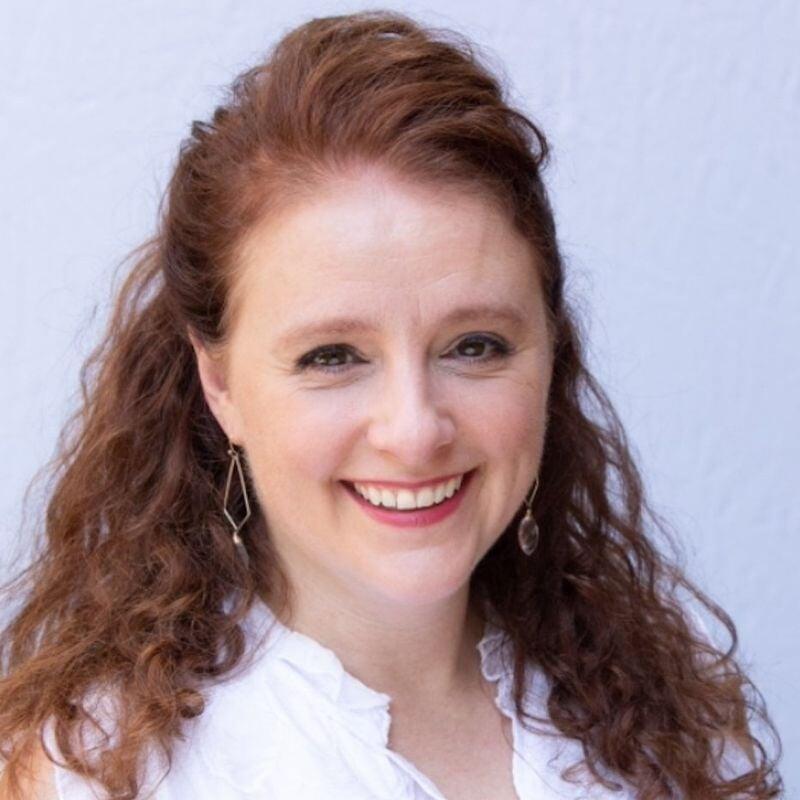
Adriana Popescu, PhD, is a licensed clinical psychologist and empowerment coach with over 25 years of treatment experience. She specializes in treating addiction, co-occurring disorders, and trauma, and has directed several treatment programs in the San Francisco Bay Area. She is the author of several books and hosts the podcast Kaleidoscope of Possibilities: Alternative Perspectives on Mental Health.
TRE® Trauma Release Exercises:
Essential Self-Care for Therapists
6 CE Hours, Level: Intermediate/Advanced
Discover TRE® (Tension & Trauma Release Exercises), a somatic modality and ideal adjunct to Energy Psychology and talk therapies. This full-day workshop introduces the basic protocol — grounding, activation, tremor, integration — through two guided practices. Learn trauma-sensitive pacing for dissociation, explore frontline applications, and experience TRE® as a long-term self-care discipline that restores embodied safety, balance, and resilience.
▶️ Watch Kate's explainer video about this workshop and why you don't want to miss it.
Objectives:
- Describe the neurophysiological basis of neurogenic tremors within a polyvagal framework and how TRE® supports resolution of fight, flight, freeze, and dissociation responses without reliance on cognitive narrative.
- Identify six indications and six contraindications for the safe use of TRE®.
- Demonstrate and guide the complete TRE® protocol (grounding, activation, tremor, integration, reflection).
- Demonstrate trauma-sensitive pacing and containment strategies for dissociation-prone clients.
- Explain how TRE® can serve as both a standalone training pathway and an adjunct to therapy or Energy Psychology.
- Formulate a personal TRE® self-care plan informed by participant-reported outcomes such as improved sleep, social ease, and regulation.
Internal Family Systems Tapestry:
Weaving Chakras and Polyvagal Theory into Clinical Practice
6 CE Hours, Level: Intermediate/Advanced
This engaging workshop helps you integrate the chakra system, vagus nerve (via polyvagal theory), and Internal Family Systems (IFS) into a cohesive trauma treatment approach. Through lectures, exercises, and somatic exploration, you’ll learn practical tools to deepen client safety, expand emotional regulation for both therapist and client, and support lasting clinical outcomes.
▶️ Watch CJ's explainer video about this workshop and why you don't want to miss it.
*Please Note: Registration for this workshop has reached capacity.*
Objectives:
- Identify core components of the chakra system, IFS, and PVT, and how to integrate them into clinical treatment settings.
- Demonstrate how the ventral vagal complex correlates with upper chakras to help therapists access Self energy for regulation before sessions.
- Identify dorsal and sympathetic states and how these align with lower chakras, revealing protectors, managers, and exiles.
- Understand the IFS “7 Ps” model for therapists and how to somatically access these states in and out of session.
- Learn 2 IFS mapping skills that you can apply to both yours and your clients' systems.
- Describe 5 ethical considerations when applying energy-based chakra work in IFS therapy.
Cheryl Llewelyn, MEd, LPC, NCC, is a polyvagal-informed therapist who integrates somatic and neuroexperiential approaches with clients. She is trained in Internal Family Systems, Brainspotting, EMDR, and Energy Psychology. CJ utilizes breathwork and subtle energy awareness with clients during trauma processing. Her books, Chakras and the Vagus Nerve and Chakras, the Vagus Nerve, and Your Soul, integrate neurobiology and spirituality.w
Post-Conference All Day Workshops
Free Clients from Chaos: Experiential Tools for Boosting Impactful Resilience
6 CE Hours, Level: Intermediate/Advanced
Clients are drowning in today’s upheavals. EP practitioners need new ways to guide them toward deeper resilience, higher purpose, and greater impact. Impactful Resilience is a cutting-edge framework equipping you with six vital skills to simultaneously elevate client self-sovereignty and worldly effectiveness amidst societal distress — while boosting your passion, confidence, and revenue. You'll learn each skill through hands-on practice.
▶️ Watch David's explainer video about this workshop and why you don't want to miss it.
Objectives:
- List the benefits of elevating resilience and impact in an integrated way.
- Define the five societal “spells” covered in this program.
- Name four steps to mature inner critics into healthy inner stewards.
- Contrast Just and Unjust World Hypotheses with a Transcendent World Paradigm.
- State the steps in the “Holding Tensions with Grace” process.
- Describe how Impact Literacy serves as a remedy for learned helplessness.
Sacred Soil Within:
Microbiome Medicine for Mood and Resilience
CME/CNE Pending, Level: All
Discover the microbiome as both science and sacred ecology. This post-conference workshop explores how gut health shapes mood, anxiety, and resilience while drawing from cultural wisdom and practical tools. Through evidence-based teaching, reflection, dyads, and protocols such as SCAC and HEAL, participants will gain integrative strategies to support emotional and spiritual well-being in practice and daily life.
▶️ Watch Mary's explainer video about this workshop and why you don't want to miss it.
Objectives:
- Identify at least three mechanisms by which the microbiome influences mood, cognition, and resilience.
- Describe how gut dysbiosis contributes to depression, anxiety, bipolar disorder, and schizophrenia.
- Reframe anxiety as a gatekeeper for healing within both microbiome science and spiritual traditions.
- Compare cultural and ancestral perspectives — including Celtic and Indigenous — that view the gut as a sacred center of vitality.
- Apply the Self-Compassion and Connection (SCAC) protocol in dyad practice to support resilience and emotional healing.
- Demonstrate the HEAL protocol in small groups as an integrative tool for gut-brain-spirit care.
Mary Louder, DO, is a board-certified osteopathic physician, integrative healer, and storyteller whose work bridges science and soul. Founder of Cairn Medical, she offers whole-person care rooted in compassion, connection, and curiosity. She has practiced holistic, functional medicine for over thirty years. Her proprietary methods, SCAC and the Neural Resilience Method, support patients with trauma care, chronic illness, and emotional-spiritual balance.
The Shamanic Journey:
Pathway to Knowledge and Power
6 CE Hours, Level: All
Explore Core Shamanism in this transformative workshop that bridges ancient wisdom with modern practitioner self-care needs. Engage in ethical practices, experience shamanic journeying, and connect with spirit teachers through sonic driving. Learn practical techniques for gaining wisdom, healing, and personal empowerment while nurturing your spiritual growth in a supportive environment.
▶️ Watch Kerri's explainer video about this workshop and why you don't want to miss it.
Objectives:
- Describe the three worlds in shamanic cosmology.
- Describe two ethical principles critical to practicing shamanism to prevent cultural appropriation.two ethical principles critical to practicing shamanism to prevent cultural appropriation.
- Explain one aspect of non-ordinary reality that makes it different from ordinary reality.
- Describe the frequency range (in Hz) required for sonic driving to shift consciousness.
- Describe two different shamanic healing methods.
- Describe two ways shamanic journeying can assist a practitioner with self-care.
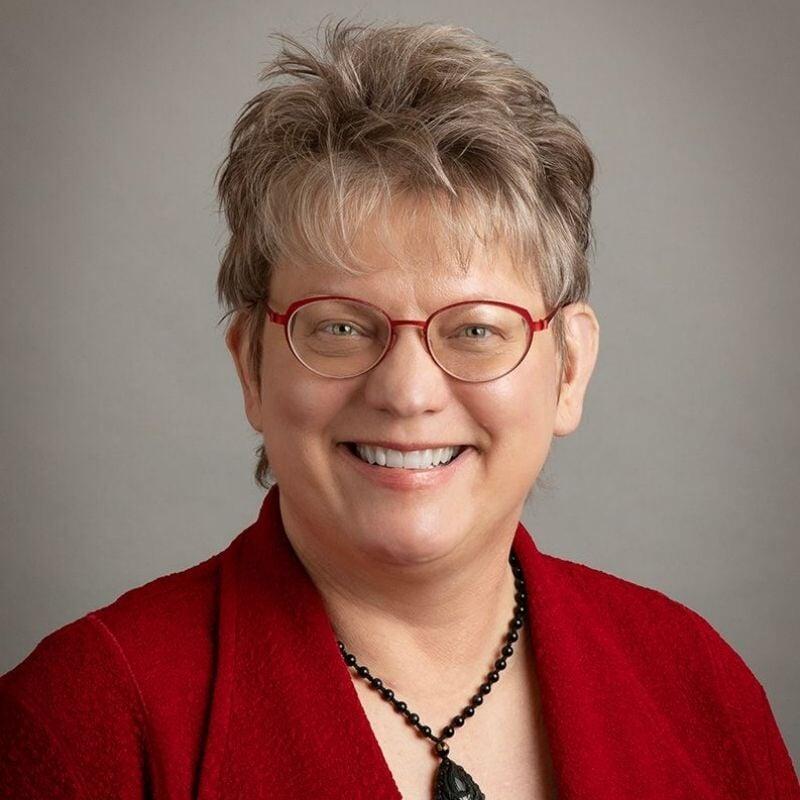
Kerri Husman, MD, DCEP, is a holistic psychiatrist with extensive training, including certifications in energy psychology, psychedelic-assisted therapy, Healing Touch, health coaching, and more. She offers coaching and healing services emphasizing a clear boundary between psychiatric patients and coaching clients. Dr. Husman currently serves as ACEP’s president, focused on teaching expansion, mission fulfillment, and member engagement.
Breathwork Pathways for Enhanced Clinician and Client Healing, Growth, and Transformation
No CE Hours, Level: All
Breathing’s psychophysiological nature is a force multiplier for accessing well-being and wholeness. Participants will experience Conscious Breathing’s powerful unification of somatic, cognitive, emotional, and spiritual dimensions. After hearing case studies and practicing Breathwork techniques and dyadic exercises, the workshop culminates in dynamic Integrative Breathing journeys into intrapsychic landscapes and expanded consciousness — generating accelerated healing and growth for both clinicians and clients.
Objectives:
- Understand and experience how conscious breathing is a unifying medium of soma, psyche, and soul, as well as a unifying medium between people.
- Recognize and describe the five groups of Breathwork.
- Explain how expanded states of consciousness in Group 5 Breathwork can accelerate insight, healing, and transformation.
- Identify at least five ways Breathwork can enhance therapeutic impact and outcomes.
- Practice three kinds of breathing that can be employed during clinical sessions to facilitate safety, expression, co-empowerment, and co-creativity.
- Integrate the experience of expanded states of consciousness in Group 5 Breathwork as a catalyst for healing and embodiment.
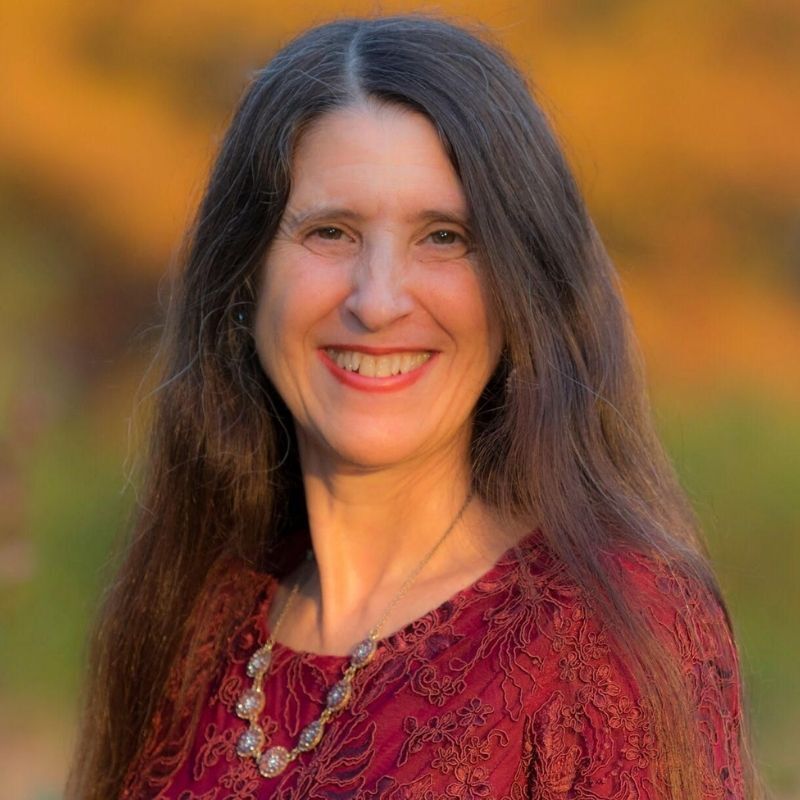
Jessica Dibb is founding director of Inspiration Consciousness School, co-director of the Global Professional Breathwork Alliance, and author of Breathwork and Psychotherapy: Clinical Applications for Healing and Transformation. Jessica synthesizes depth psychology, consciousness studies, science, individualized spirituality, and somatic, emotional, and cognitive energy for supporting potential, presence, wisdom, and love — in relationship with all life and this breathing planet.
What Energy Medicine Has to Offer Energy Psychology (Follow up from Keynote)
6 CE Hours, Level: All
▶️ Watch Debra's explainer video about this workshop and why you don't want to miss it.
Objectives:
- Perform and teach clients the Four Thumps to increase grounding, vitality, and energetic coherence.
- Perform and teach clients the Wayne Cook Posture to enhance focus and neurological organization.
- Perform and teach clients the Connecting Heaven and Earth Technique to improve energetic flow and emotional balance.
- Perform and teach clients the Crown Pull to reduce stress and enhance energetic clarity.
- Describe and demonstrate methods for correcting scrambled energies and neurological disorganization.
- Explain the role of the Triple Warmer system in stress responses and apply techniques to foster calm and resilience.
7th Path Self-Hypnosis and Self-Care for Burnout
6 CE Hours, Level: All
7th Path Self-Hypnosis is a mind-body practice that combines traditional self-hypnosis with elements of meditation, mindfulness, and spiritual self-reflection. This workshop focuses on learning and practicing the first five "Recognitions," which form the core of this practice for self-care and resilience — reducing burnout risks for clinicians.
▶️ Watch Gregory's explainer video about this workshop and why you don't want to miss it.
Objectives:
- Identify the key difference between traditional self-hypnosis and 7th Path Self-Hypnosis.
- Name the elements required to perform 7th Path Self-Hypnosis correctly.
- Identify the role of the conscious, subconscious, and unconscious minds.
- Name the purpose of the critical factor.
- Write a post-hypnotic suggestion in the proper form for this type of self-hypnosis.
- Identify the ways an “echo” can be experienced.
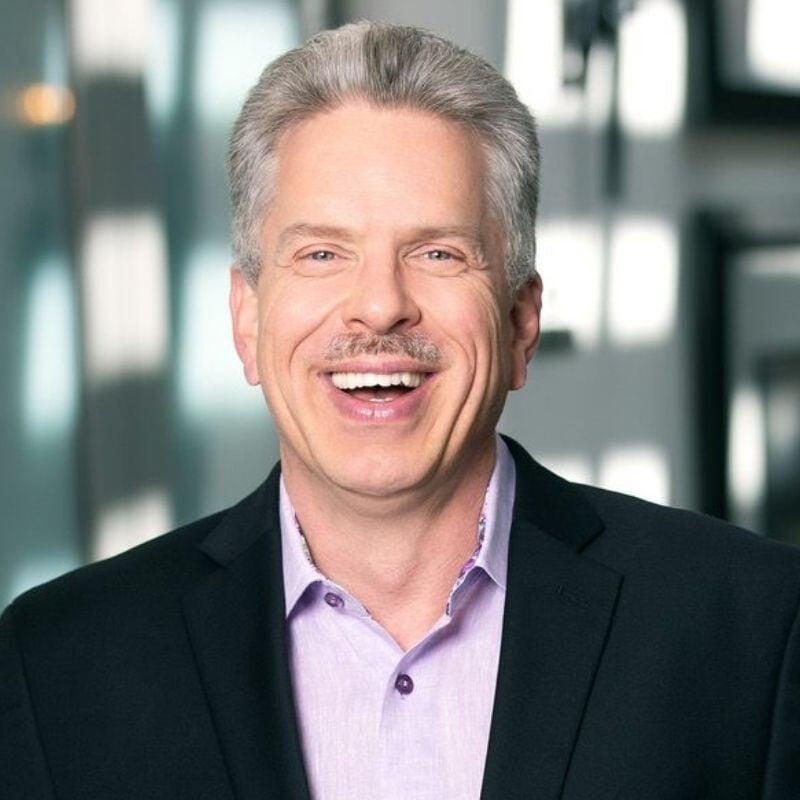
Gregory Brown, MD, DCEP, is a Professor of Psychiatry and Residency Training Director at the Kirk Kerkorian School of Medicine at UNLV. A board-certified psychiatrist and forensic psychiatrist, he has training and experience in hypnosis, EMDR, EFT, and AIT, which he integrates into his private practice. His professional interests include the work of Carl Jung, meditation, and spirituality.